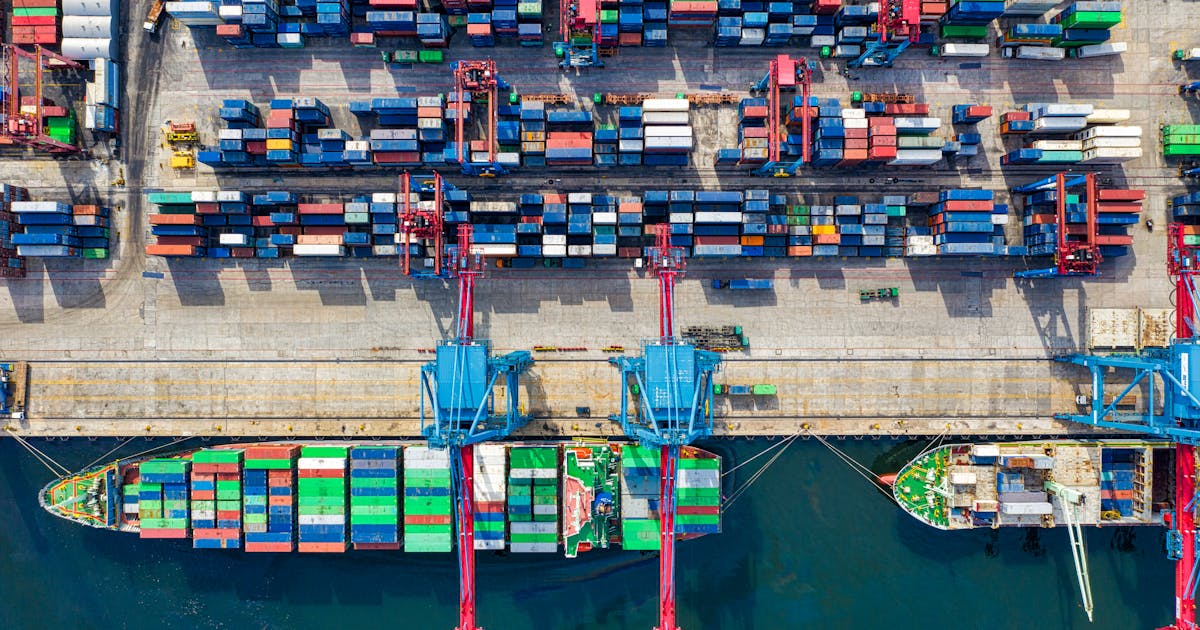

Fujairah sits on the UAE east coast, just outside the Strait of Hormuz, and ranks among the world's largest bunkering hubs. Its sheltered anchorage, deep water and storage terminals make it the natural refuelling stop for vessels transiting the Arabian Sea and Gulf of Oman. This guide explains the fuel grades, procedures and supplier checks every operator should know before booking a stem.
Why Fujairah for Bunkering
Because it lies outside the Strait of Hormuz, the Port of Fujairah lets ships top up without entering congested Gulf waters. The vast majority of bunkering here is done at anchorage, with fuel delivered by barge to vessels waiting offshore. Nearby Khor Fakkan serves container traffic and is a useful alternative for vessels combining cargo calls with refuelling.
Fuel Grades You Can Buy
Fujairah supplies the full marine fuel range. VLSFO (Very Low Sulphur Fuel Oil, max 0.50% sulphur) is the workhorse residual fuel for vessels without scrubbers, compliant with the IMO 2020 sulphur cap. LSMGO and MGO (marine gas oil) are distillate fuels used in ECAs, for manoeuvring or as a clean-burning option. HSFO (High Sulphur Fuel Oil, ~3.5% sulphur) remains available for scrubber-fitted vessels. Always specify the exact grade and viscosity in your enquiry.
ISO 8217 Quality and the BDN
Marine fuels should be supplied to the ISO 8217 specification, which sets limits on viscosity, density, sulphur, water, ash, cat-fines (aluminium plus silicon) and other parameters that protect your engine. On completion, the barge issues a Bunker Delivery Note (BDN) recording grade, quantity, density, sulphur content and supplier details. Retain the BDN and the sealed MARPOL sample on board — they are your evidence in any dispute and required for port-state inspection.
The Bunkering Procedure Step by Step
- Pre-delivery: agree quantity, grade and price, exchange a written bunker plan, and complete the ship/barge safety checklist.
- Connection: moor the barge alongside, connect hoses, and confirm communication and emergency stop signals.
- Measurement: take agreed opening soundings or read the mass flow meter if fitted; mass flow metering reduces quantity disputes by measuring delivered mass directly.
- Transfer: pump at agreed rate, monitor tank levels, and watch for overflows.
- Sampling: draw a continuous-drip sample throughout the transfer, seal it jointly, and split it between ship, barge and analysis.
- Completion: verify final figures, sign the BDN noting any quantity or quality remarks, and disconnect safely.
Anchorage vs Alongside Bunkering
At Fujairah, anchorage (offshore) bunkering is the norm: the vessel stays at the designated anchorage and a barge comes alongside. This avoids berth costs and lets ships bunker while waiting for orders. Alongside bunkering — taking fuel at a quay, sometimes ex-wharf via pipeline — is more common where a vessel is already berthed for cargo, as can happen at Khor Fakkan. Each has cost and timing trade-offs worth weighing per call.
Sampling Disputes and Quality Claims
If lab results show an off-spec parameter — high cat-fines, water or sulphur above the ordered grade — act immediately. Stop using the fuel if it risks engine damage, notify the supplier in writing, and have the sealed retained sample tested by an independent laboratory. Following the joint sampling procedure correctly is what makes a claim defensible, so never skip the seal-and-witness step.
How to Vet a Bunker Supplier
Choosing among Fujairah bunker suppliers is about more than the headline figure. Check that the supplier is licensed by Fujairah authorities, ask about barge fleet and pumping rates, confirm mass flow metering, review their quality-claim handling, and consider credit terms and reliability of nominated barges. A trusted intermediary can pre-vet counterparties and consolidate quotes.
Ready to secure compliant, well-priced bunkers at Fujairah? Contact our team for a tailored introduction, or if you operate barges or supply fuel, register as a supplier to reach vetted buyers.
Sources & Further Reading
- Port of Fujairah — official port and anchorage information (FUJCON industry forum).
- IMO 2020 global sulphur cap (0.50%) — International Maritime Organization.
- ISO 8217 — Specifications of marine fuels.
- IBIA — International Bunker Industry Association best-practice guidance on sampling and delivery.
This article is general guidance only. Fuel availability, grades, procedures and licensing change frequently — always confirm live details with your supplier, surveyor and the relevant port authority before fixing a stem.