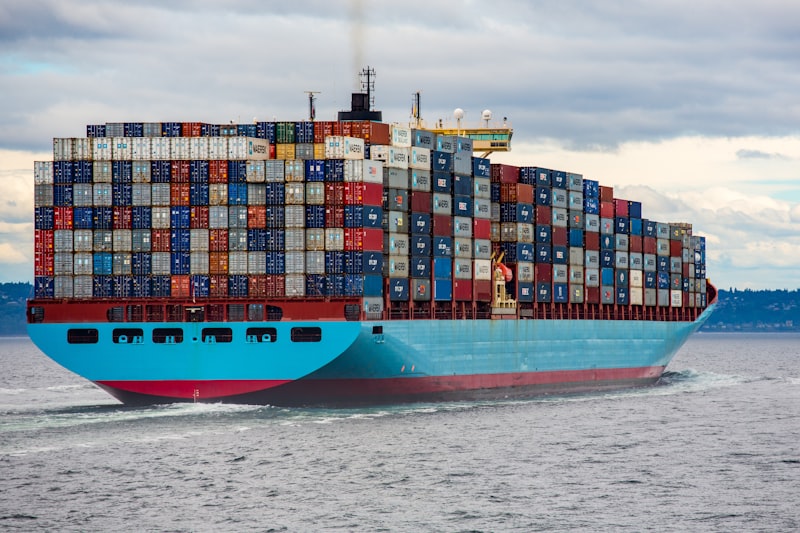

A vessel provisions order looks simple until something goes wrong — a freezer fills with the wrong cuts, fresh produce arrives already turning, or the crew runs short of a staple three days into a passage. Getting provisioning right is part planning, part standardisation, and part choosing the right supplier. This is the complete breakdown.
The Five Provisions Categories
1. Fresh Provisions
Fruit, vegetables, eggs, dairy and fresh meat. These have the shortest shelf life and the most quality variation between suppliers. Order them as close to departure as possible and specify grade clearly — "tomatoes, firm, for 10-day storage" beats "tomatoes."
2. Frozen Provisions
Meat, poultry, fish and frozen vegetables. The critical issue here is the cold chain: insist on temperature logs and reject any carton showing signs of thaw-refreeze. Frozen stores are usually the largest order by weight.
3. Dry & Canned Provisions
Rice, flour, pasta, pulses, oil, canned goods, spices, beverages. Long shelf life makes these easy to stock in bulk, and they form the backbone of the menu on long passages.
4. Bonded Stores
Duty-free tobacco, alcohol and certain consumables. These are subject to customs control and must be handled separately from ordinary provisions (covered in detail in our bonded-stores guide).
5. Cabin & Galley Stores
Cleaning materials, galley consumables, toiletries, and small comfort items. Easy to forget, quick to run out, and cheap to over-order slightly as insurance.
How Much to Order: Rules of Thumb
Provisioning is planned around man-days — crew size multiplied by days until the next reliable supply port, plus a safety margin. A common approach:
- Calculate days to next provisioning port, then add a reserve (often 7–14 days) for delays or diversions;
- Use a per-person daily victualling rate as your budgeting anchor;
- Account for crew nationality and dietary needs — menus that ignore the crew waste food and morale alike.
The Mistakes That Spoil Deliveries
- Ordering fresh too early. Produce ordered a week ahead is half-gone before the voyage starts.
- Vague specifications. Without grade and packaging detail, you get the supplier's cheapest option.
- No substitution policy. Agree in advance what happens when an item is out of stock, so you are not left short.
- Skipping the temperature check. Always verify cold-chain logs at delivery, before signing.
Standardise to Save
The single biggest efficiency gain is a standard, coded provisions list reused every voyage. Tie each line to an IMPA code, set your preferred grades, and you turn a half-day requisition exercise into a five-minute review. Suppliers quote faster and more accurately, and you compare like-for-like.
The GDS platform lets you save recurring provisions lists, send them to multiple verified suppliers, and compare itemised quotes in one view. Register your vessel to build your standard provisions list today.