Good packing is the cheapest insurance you can buy. Most cargo damage, rejected deliveries and surprise costs do not come from the ocean leg itself — they come from weak boxes, badly built pallets and loads that shift inside the container. Get the packing right and you protect both your goods and your schedule. Below is a practical guide for anyone preparing export cargo, whether you ship your cargo with GDS or manage your own logistics.
Export packing starts with the right box
Export cargo travels further, is handled more times, and sits in more humid conditions than domestic freight. Use double-wall corrugated cartons for heavier items, moisture-resistant liners for sea freight, and fill all void space so contents cannot move. Edge protectors and internal bracing keep products off the carton walls, which is where crush damage usually happens. For high-value or fragile goods, consider crating — and always confirm your cargo insurance basics match the packing standard, since underwriters can reject claims for inadequate packing.
Pallet types: standard vs euro
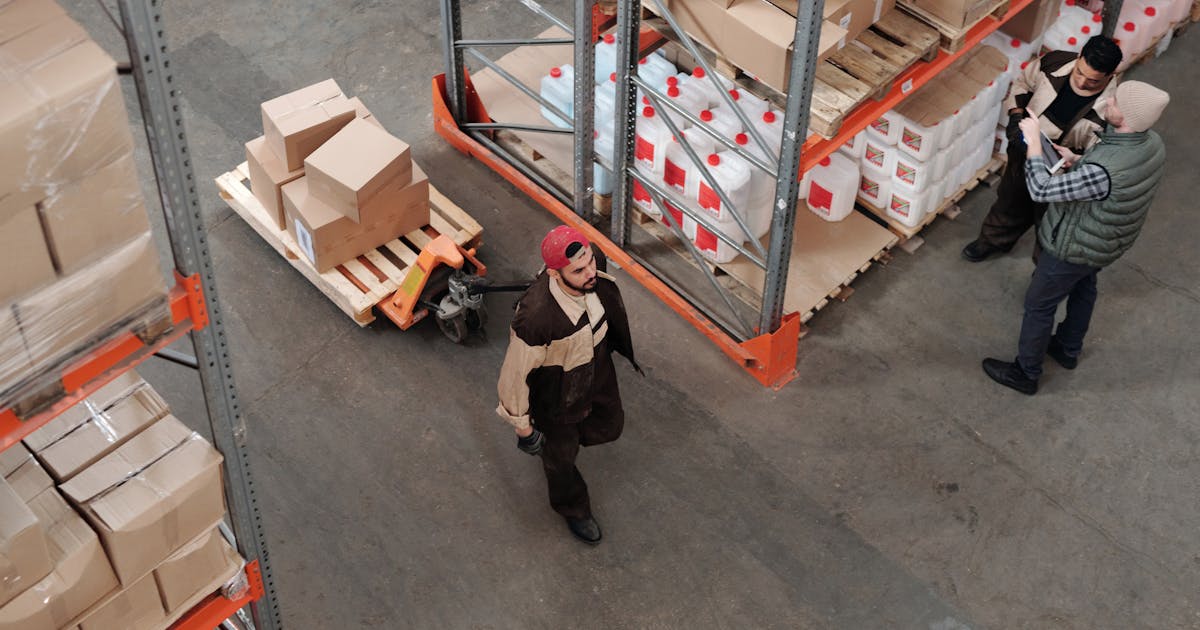
Two pallet footprints dominate global trade. The standard (ISO/GMA) pallet measures 1200 x 1000 mm and suits most ocean containers. The euro pallet measures 1200 x 800 mm and is the norm across European supply chains. Choosing the wrong size wastes container space and creates overhang, which is a leading cause of edge crushing. Plastic pallets avoid wood-treatment rules entirely; wooden pallets are cheaper but must meet phytosanitary requirements (see ISPM 15 below).
Stacking and weight distribution
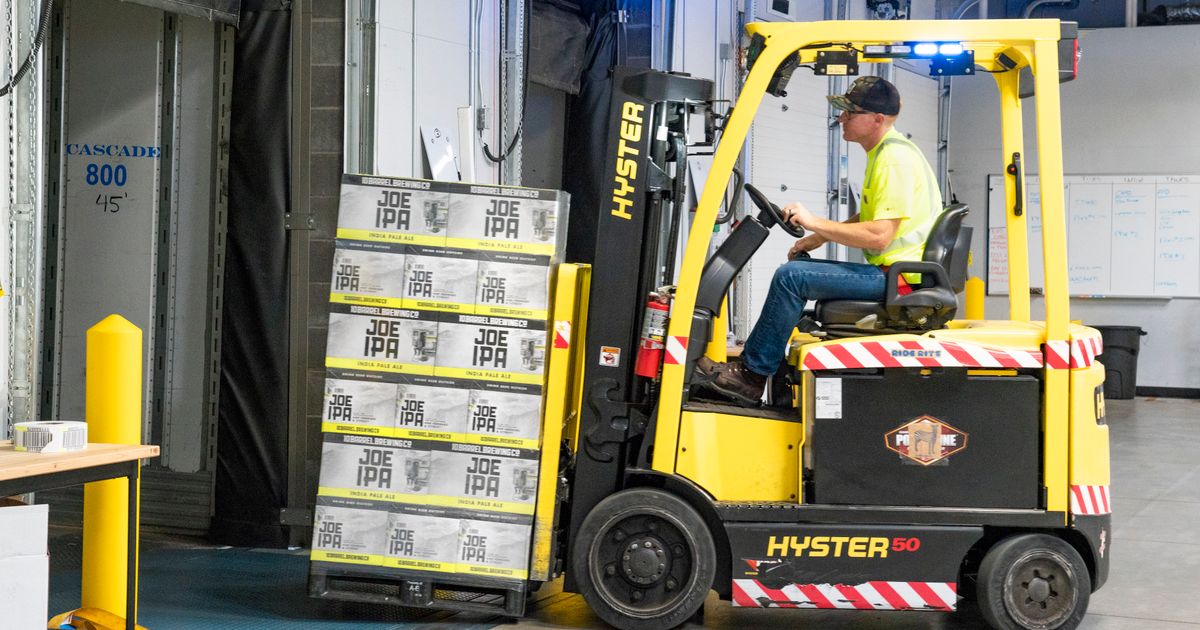
Build a stable load, not just a tall one. Heavier cartons go on the bottom, lighter on top, with boxes aligned in a column or interlocked brick pattern. Column stacking carries more vertical load; brick stacking adds lateral stability. Keep cargo within the pallet footprint — no overhang — and distribute weight evenly so no single corner is overloaded. An unbalanced pallet tips during forklift handling long before it reaches the ship.
Shrink-wrap, strapping and dunnage
Once stacked, lock the load to the pallet. Stretch or shrink-wrap holds cartons together and keeps out dust and moisture; wrap from the base upward and anchor the film to the pallet itself. Add strapping (banding) over corner boards for heavy or tall loads so the unit acts as one block. Inside the container, dunnage — airbags, foam, timber bracing and load bars — fills gaps and stops pallets sliding. Empty space is the enemy: a load that can move, will move.
ISPM 15 wood treatment
Any solid-wood packaging (pallets, crates, dunnage) used in international trade must comply with ISPM 15. The wood must be heat-treated (HT) or fumigated and stamped with the official IPPC wheat-stalk mark showing the country code, producer code and treatment method. Non-compliant wood is routinely refused, fumigated at your cost, or returned at destination — a classic cause of delay and demurrage and detention charges. Plastic, pressed-wood and corrugated packaging are exempt.
Labelling and marking
Clear marking moves cargo faster and reduces mishandling. Each package should carry consignee marks, port of discharge, package number (e.g. 3 of 12), gross/net weight and handling pictograms (this way up, fragile, keep dry). Dangerous goods need full UN-number labels and segregation marks per the rules covered in our dangerous goods (IMDG/IATA) guide, and temperature-sensitive cargo needs explicit handling instructions as described in our reefer shipping guide.
Container loading
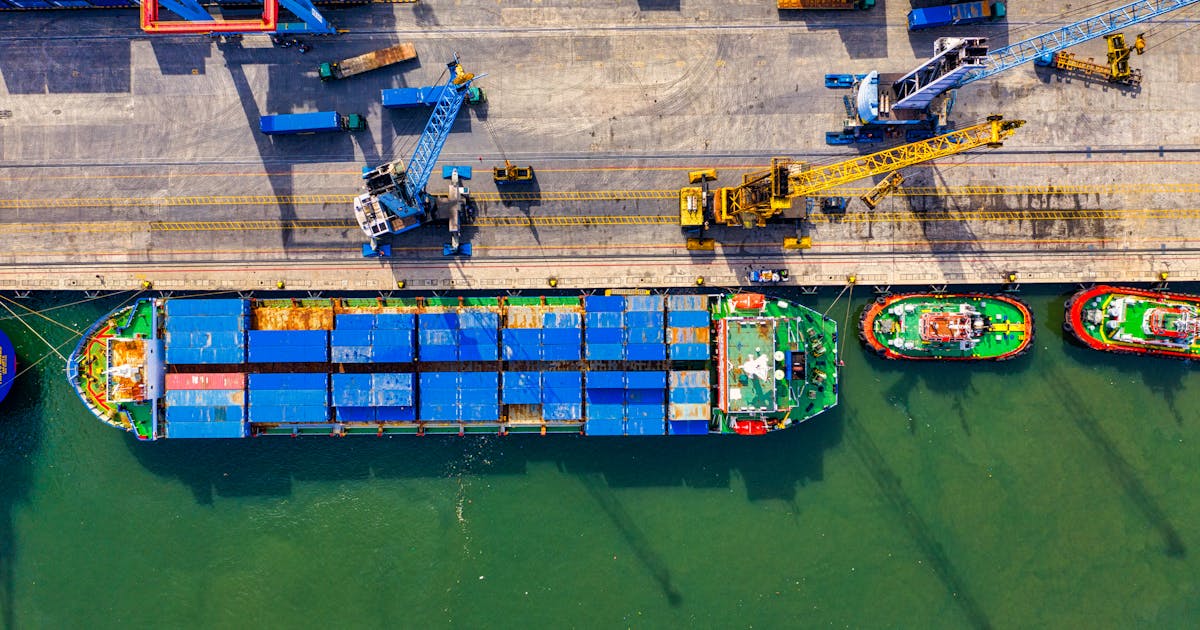
How you load the box matters as much as how you pack the pallet. Distribute weight across the container floor and over the axles, keep the centre of gravity low and central, and brace the final tier so nothing falls when the doors open. Whether you move full containers or share space, your packing plan should match your service: review the trade-offs in our FCL vs LCL guide, because consolidated LCL cargo is handled more often and needs sturdier units. For the underlying transit, our ocean freight service moves palletised loads worldwide.
The payoff: less damage, less demurrage
Strong, compliant, well-marked units clear customs faster, survive transhipment, and rarely trigger inspections — which is exactly how good packing cuts both damage claims and the idle-time charges that erode margins. Invest an hour in packing today and you avoid days of cost later.