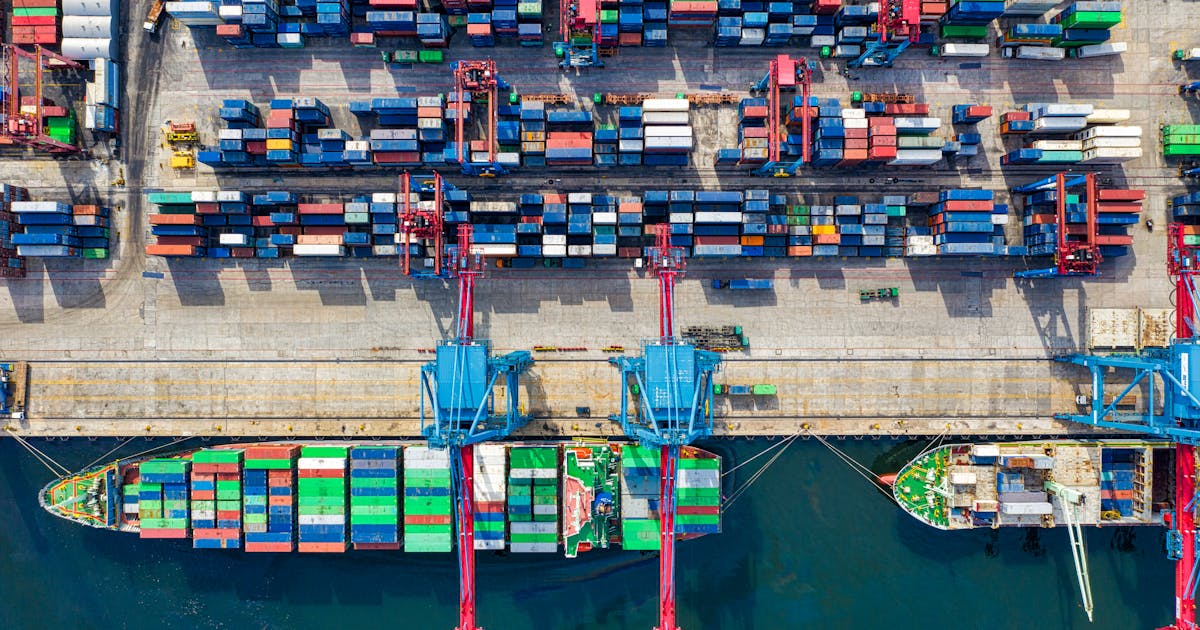
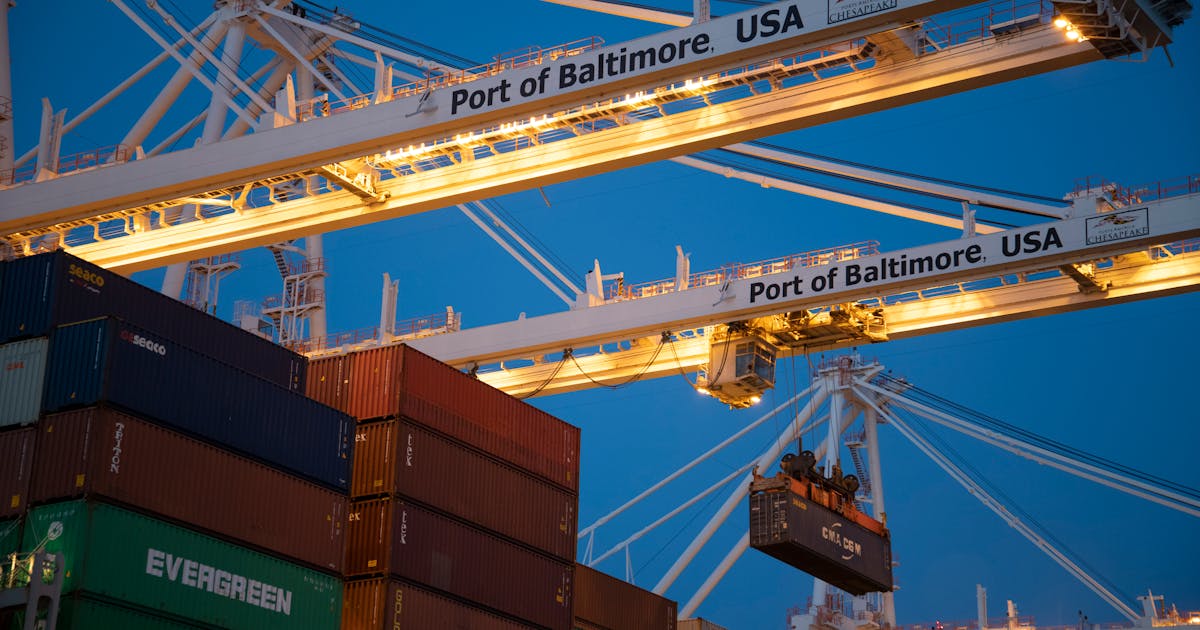
Saudi Arabia sits at the crossroads of two of the world's busiest shipping arteries: the Red Sea route through the Suez Canal and the Arabian Gulf trade serving the wider region. For owners, managers and agents, understanding the Kingdom's port network is essential to planning efficient calls. This guide outlines the main commercial gateways and what to expect when arranging ship supply.
Two Coasts, Two Trade Worlds
Saudi Arabia's ports divide naturally between two coastlines. On the west, the Red Sea coast hosts Jeddah Islamic Port and the newer King Abdullah Port, both serving the Suez–Bab-el-Mandeb corridor that links Asia and Europe. On the east, the Arabian Gulf coast is anchored by Dammam (King Abdulaziz Port) and the industrial hub of Jubail. The two coasts serve different trade lanes, and a vessel's routing usually dictates which is the more practical resupply point.
The Red Sea Gateways
Jeddah Islamic Port is the Kingdom's largest and oldest commercial port, handling a substantial share of container and general cargo traffic. Its position close to the main north–south Red Sea shipping lane makes it a natural call for vessels transiting toward Suez. King Abdullah Port, located at King Abdullah Economic City north of Jeddah, is a privately developed deep-water terminal designed for large container ships and rapid throughput. Both offer ship agency, chandlery and provisions, though the depth and operational profile of each differs.
The Arabian Gulf Hubs
On the eastern seaboard, Dammam's King Abdulaziz Port is the principal Gulf gateway, serving the Eastern Province and connecting to the national rail and road network. Jubail, a short distance north, is one of the world's largest industrial cities and a key port for petrochemicals, bulk and project cargo. Vessels working the Gulf trade or calling Saudi Aramco and SABIC facilities typically find these ports the most efficient for resupply and crew changes.
Ship Agency, Clearance & Supply
Every call to a Saudi port requires a licensed local agent to handle berthing, customs clearance, immigration and port formalities. Chandlery and provisions — deck and engine stores, safety equipment, IMPA-coded items, fresh and frozen food — can be delivered alongside or, in some cases, at anchorage by launch. Lead time matters: ordering early and confirming specifications against the IMPA catalogue reduces the risk of substitutions. Whether you berth alongside or remain at anchorage affects delivery logistics, launch hire and timing, so confirm the operational plan with your agent in advance.
Bunkering in the Kingdom
Bunkers are available at the major ports, with the usual grades on offer: VLSFO (very low sulphur fuel oil, the IMO 2020 compliant 0.50% sulphur fuel), MGO (marine gas oil) and, where permitted, HSFO for scrubber-fitted vessels. Always insist on a Bunker Delivery Note (BDN) and a representative sample, and confirm the fuel meets the agreed ISO 8217 specification. Price is driven by global oil benchmarks, regional supply, barge availability and delivery mode, so request a live quote close to your call date rather than relying on indicative figures.
Vision 2030 and Port Growth
Saudi Arabia's Vision 2030 places logistics at the centre of its economic diversification, with heavy investment in port capacity, transshipment and connectivity. The Saudi Ports Authority (Mawani) has expanded shipping line connections and terminal infrastructure across both coasts. For ship suppliers and forwarders, this growth signals rising vessel traffic and demand for reliable, transparent supply services.
Planning a Saudi call and need dependable supply across both coasts? Contact our team for support, or if you serve these ports, register as a supplier to reach inbound vessels.
Sources & Further Reading
- Saudi Ports Authority (Mawani) — official port network and statistics.
- Jeddah Islamic Port — terminal and operational information.
- IMO 2020 — global 0.50% sulphur fuel regulation.
- ISO 8217 — marine fuel quality specification.
This article is general guidance only. Port procedures, fuel availability and supply logistics change frequently — always confirm live details with your local agent, suppliers and the relevant authorities before committing.