
A reefer (refrigerated container) is a rolling cold room. Used well, it carries food, pharma and flowers across the planet in perfect condition. Used carelessly, it delivers a very expensive container of spoiled cargo.
Set-Point Is Not Ambient
You program a set-point temperature; the reefer's machinery works to hold the supply air at that point. It does not cool down warm cargo — it maintains already-cooled cargo. That is why pre-cooling the goods (not the empty container) to the target temperature before stuffing is essential. Loading warm product and expecting the reefer to "chill it down" is the number-one cause of claims.
Ventilation, Humidity & Atmosphere
- Ventilation settings let out respiration gases from fresh produce — too little and the cargo suffocates; too much and you waste cooling.
- Humidity control protects against dehydration or condensation.
- Controlled/modified atmosphere (adjusting O₂/CO₂) extends shelf life for sensitive fruit on long hauls.
Don't Block the Air
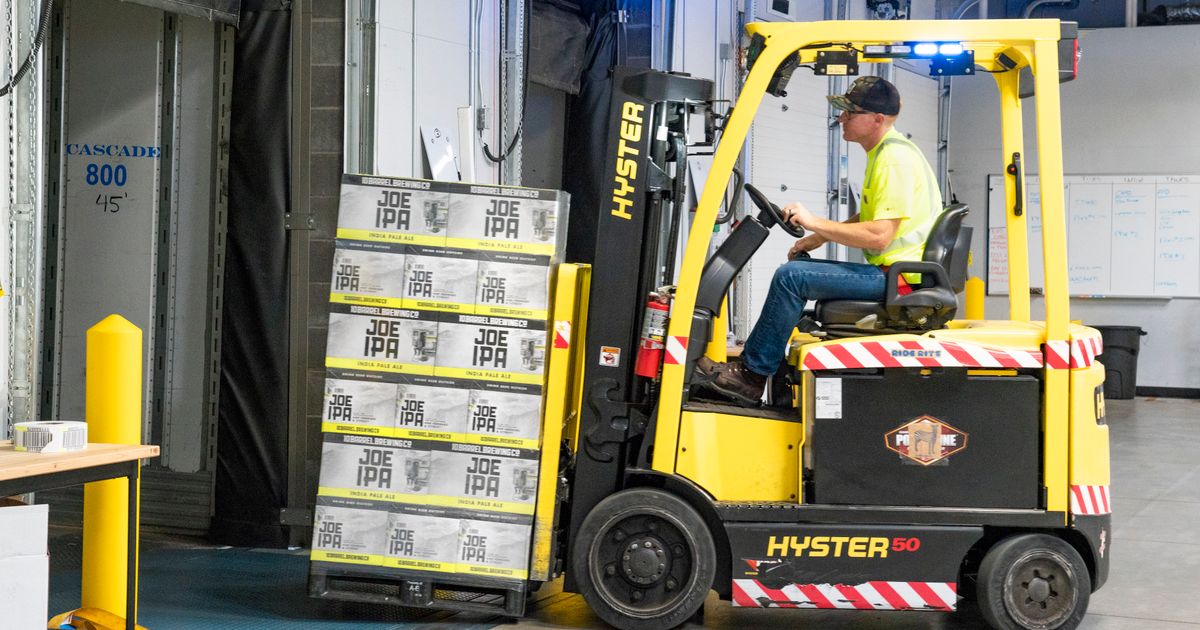
Reefers cool by circulating air through the cargo from the floor T-bars upward. Never load above the red load line, never block the front wall, and stack to allow airflow. Poor stowage creates hot spots even when the machinery is perfect.
The Cold-Chain Paper Trail
Temperature-controlled cargo lives or dies on documentation: the set-point on the booking and B/L, temperature logs/data-loggers, and any phytosanitary or health certificates. A continuous record is also your evidence if you ever need to claim.
Common Pitfalls
Loading warm cargo, wrong set-point units (°C vs °F), blocked airflow, gensets running out of fuel on long road legs, and missing pre-trip inspection (PTI). A good reefer forwarder checks all of these before the box ever moves.
Sources & Further Reading
- Carrier reefer cargo guides (set-point, ventilation, PTI procedures).
- Cool-chain and perishable-logistics industry best-practice guidance.
- Importing-country phytosanitary/health certificate requirements.