
You ask for an ocean freight rate, get a low number, and then the quote sprouts a dozen acronyms. Those are surcharges — and they are a legitimate, if confusing, part of nearly every freight bill. Here is what the common ones mean.
Fuel & Currency
- BAF (Bunker Adjustment Factor) — adjusts for the price of marine fuel; rises and falls with oil.
- LSS (Low Sulphur Surcharge) — covers the cost of cleaner, IMO-2020-compliant low-sulphur fuel.
- CAF (Currency Adjustment Factor) — offsets exchange-rate swings, often a percentage of the base.
Terminal & Handling
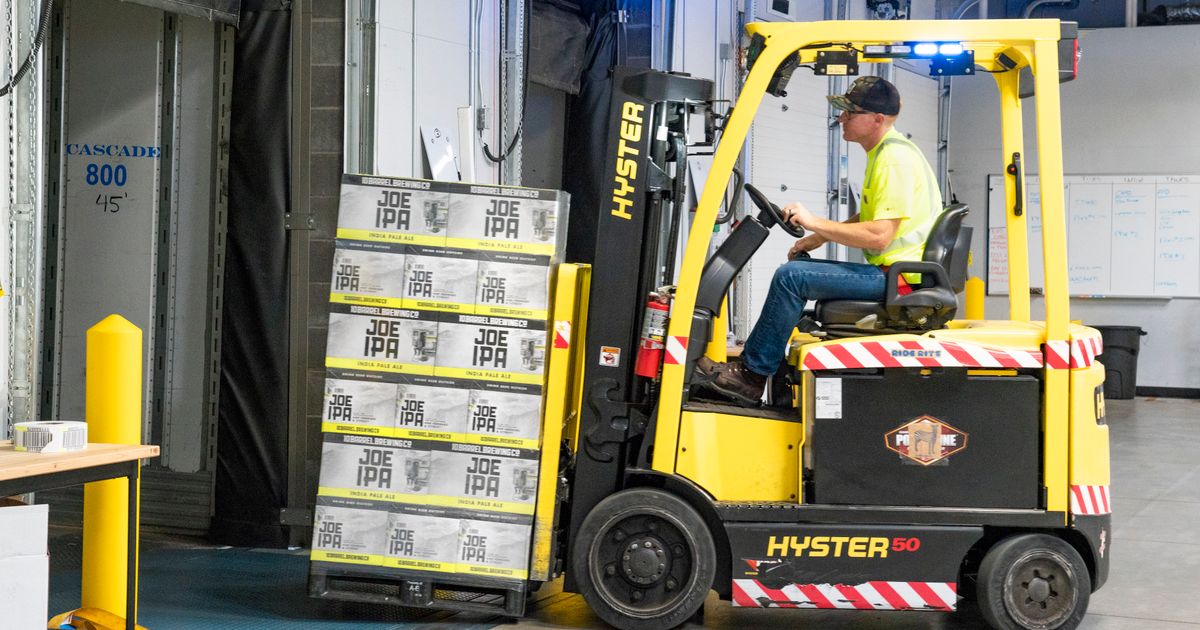
- THC (Terminal Handling Charge) — the port/terminal's cost to move your container; billed at both origin and destination.
- CFS (Container Freight Station) — consolidation/deconsolidation handling, mainly for LCL.
- Documentation / B/L fee — issuing the bill of lading and paperwork.
Market & Seasonal
- GRI (General Rate Increase) — a carrier-led rate rise, common when demand is high.
- PSS (Peak Season Surcharge) — applied during peak periods (e.g. pre-holiday rush).
- Congestion / war-risk / canal surcharges — situational, route-specific add-ons.
Why So Many?
Carriers keep the base rate competitive and recover volatile or external costs through surcharges that can be adjusted independently. It is not (usually) a trick — but it does mean the headline rate is meaningless on its own. Always compare quotes on the all-in total, not the base freight.
Reading a Quote Like a Pro
Ask for an itemised breakdown, confirm which charges are at origin vs destination, check the validity date (rates expire), and confirm the currency. On a transparent marketplace, forwarders quote each line separately so you can see exactly what you are paying for.
Sources & Further Reading
- Carrier tariff definitions (BAF/CAF/THC/GRI schedules).
- IMO 2020 low-sulphur fuel regulation (background to LSS).
- Freight-index and market commentary on GRIs and peak surcharges.