
If you are shipping by sea, one of your first decisions is FCL or LCL — a full container to yourself, or a share of one. The right answer is mostly about volume, but cost, risk and transit time all play a part.
What FCL and LCL Mean
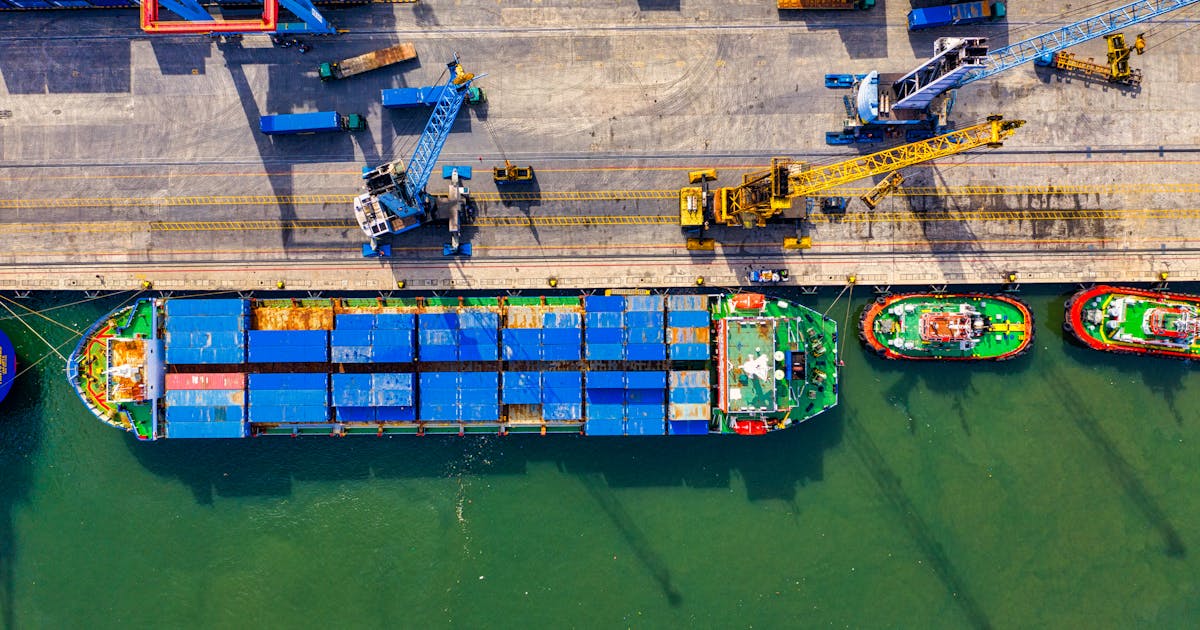
FCL (Full Container Load) means you book an entire container — typically a 20ft or 40ft box — regardless of whether you fill it. LCL (Less-than-Container Load) means your cargo shares a container with other shippers' goods; you pay only for the space you use, measured in cubic metres (CBM).
The Break-Even Point
LCL is priced on a "revenue ton" — the greater of your volume in CBM or weight in tonnes. As your volume grows, LCL's per-CBM rate eventually costs more than simply booking a whole container. As a rule of thumb, somewhere around 13–15 CBM a 20ft FCL often becomes cheaper than LCL — though the exact crossover depends on the lane and current rates. A 20ft container holds roughly 28–33 CBM of usable space; a 40ft holds about double.
Beyond Price: Hidden Trade-offs
- Transit time. LCL needs consolidation and deconsolidation at a CFS (Container Freight Station) at both ends, adding several days.
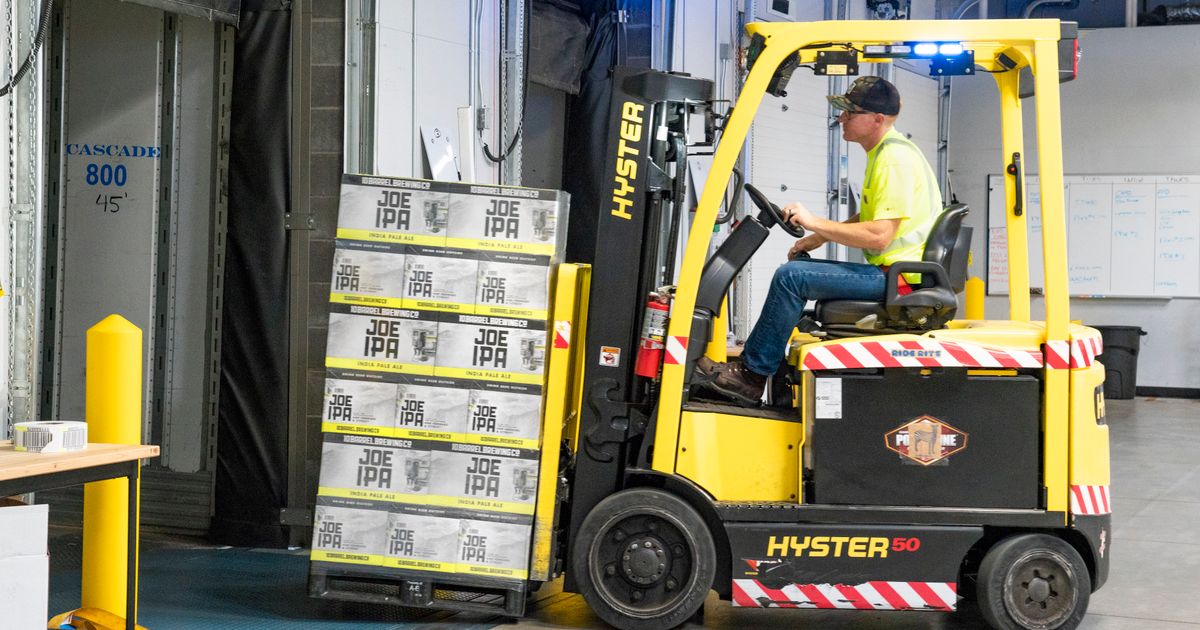
- Risk of damage. LCL cargo is handled more and travels with strangers' goods; robust packaging matters.
- Customs. An LCL container can be held if any shipper in it has a customs problem.
- Predictability. FCL is sealed at origin and opened at destination — fewer touchpoints, fewer surprises.
When to Choose Each
Choose LCL for small or infrequent shipments, samples, or when you cannot fill a container. Choose FCL when you have the volume, when cargo is fragile or high-value, or when you need a tighter, more predictable transit. Many growing importers start on LCL and switch to FCL as order sizes rise.
A Quick CBM Refresher
CBM = length × width × height (in metres) per package, multiplied by quantity. Knowing your total CBM and gross weight is the single most useful thing you can hand a forwarder for an accurate quote.
Sources & Further Reading
- ICC Incoterms® 2020 (for cost/risk division on sea freight).
- Container specifications — standard 20ft/40ft ISO dry container capacities.
- Industry guidance on LCL consolidation and CFS handling.